
- Home Page
- Company Profile
-
Our Products
- Stainless Steel Pipes
- Stainless Steel 304 Pipes
- Stainless Steel Polished Pipes
- Ss Pipes
- Stainless Steel 316 Pipes
- Stainless Steel Square Pipe 317L
- Stainless Steel Perforated Pipes
- Stainless Steel 304 Polished Pipes
- Stainless Steel 409L Pipes
- Stainless Steel Polish Pipes
- 316l Stainless Steel Pipes And Tubes
- Stainless Steel 304 Polish Pipes
- Stainless Steel ERW Pipe 304
- Stainless Steel Seamless Pipe
- Stainless Steel Seamless Pipe 304H
- Stainless Steel Seamless Pipe 317L
- Stainless Steel SA 312 TP 317 Seamless Pipe
- Stainless Steel Seamless Pipe 316L
- SS 304L Seamless Tubes
- Stainless Steel 304 Seamless Pipe
- Stainless Steel 347 Seamless Pipe
- Stainless Steel Seamless Pipe 316Ti
- Stainless Steel Mirror Polish Pipe
- Stainless Steel Seamless Pipe 309
- Stainless Steel Seamless Pipe 304L
- Stainless Steel 321 Seamless Pipe
- Stainless Steel Seamless Pipe 304-304l
- Api 5l Grade B Seamless Pipes
- Stainless Steel Slip On Flange
- Stainless Steel Slip On Flange 317L
- Stainless Steel Slip On Flange 317
- 304 Stainless Steel Slip On Flanges
- Stainless Steel Slip On Flange 321
- Stainless Steel Slip On Flange 316L
- Stainless Steel Slip On Flange 904
- Stainless Steel Slip On Flange 304L
- Stainless Steel Slip On Flange 347
- Stainless Steel Slip On Flange 316
- Stainless Steel Butt Weld Fittings
- Stainless Steel Buttweld Fitting
- Stainless Steel Butt Weld Fitting 904L
- Stainless Steel Buttweld Fittings ASTM A403
- Stainless Steel Buttweld Fitting 317
- Stainless Steel Butt Weld Fitting 321
- Stainless Steel Buttweld Fittings 304L
- Stainless Steel Buttweld Fitting 316L
- Stainless Steel Buttweld Fittings 304H
- Stainless Steel Buttweld Fittings 304
- Stainless Steel Buttweld Fittings 347
- Stainless Steel Sheets
- Stainless Steel Sheet Grade 316
- Stainless Steel Sheet 316
- Stainless Steel Sheet A240
- Stainless Steel Sheet 304
- Stainless Steel Perforated Sheet
- Stainless Steel Sheets 304/316/304l/316l
- Stainless Steel Sheets No.4 PVC
- Stainless Steel Sheet 317
- Monel Sheets
- Stainless Steel Sheet 304L
- Stainless Steel Sheet 317L
- Stainless Steel Sheet 321
- Stainless Steel Sheet 309
- 304 Stainless Steel Channel
- Stainless Steel Perforated Sheets
- Stainless Steel Flat Bar 304L
- Copper Nickel Plates
- Flanges
- Duplex Steel Flanges
- Stainless Steel Socket Weld Flanges
- Swivel Flange
- Stainless Steel Flanges 316
- Titanium Slip On Flanges
- Titanium Weld Neck Flanges
- Monel Flanges
- Threaded Flanges
- Carbon Steel Orifice Flanges
- 316 Stainless Steel Flanges
- Alloy Steel Threaded Flanges
- Long Welding Neck
- Titanium Reducing Flanges
- Titanium Blind Flanges
- Elbow Flange
- Duplex Stainless Steel Flanges
- Carbon Steel Lap Joint Flanges
- Titanium Lap Joint Flanges
- Alloy Steel Blind Flanges
- Stainless Steel Blind Flange 304 L
- Latro Flange
- Anchor Flange
- Lap Joint Flanges
- Nipo Flanges
- Weldo Flange
- Titanium Flanges
- Expanding Flange
- Weld Neck Flanges (WNRF Flanges) 304
- Hastelloy Products
- Monel Products
- Titanium Butt Weld Fittings
- Titanium Forged Fittings
- Inconel Alloys
- Stainless Steel Seamless Tubes
- Stainless Steel Seamless Tube 317L
- Stainless Steel Seamless Tube 304H
- Stainless Steel Seamless Tube 304/304L
- Stainless Steel Seamless Tube 347
- Stainless Steel Seamless Tube 904 L
- Stainless Steel Seamless Tube 309
- Stainless Steel Seamless Tube 316Ti
- Stainless Steel Seamless Tube 321
- Stainless Steel Seamless Tube 316L
- Stainless Steel Seamless Tube 304l
- Stainless Steel Seamless Tube 316-316L
- Stainless Steel Seamless Tube 309S
- Stainless Steel ERW Pipe
- Stainless Steel Plate
- Stainless Steel Plates A240
- Stainless Steel Plates 321
- Stainless Steel Plate 304H
- Duplex Steel Plate
- 416 Stainless Steel Plate
- Stainless Steel Plate 304L
- Stainless Steel Plate 316
- Stainless Steel Plate 309
- Stainless Steel Patta 904L
- Stainless Steel Plate 317L
- 409L Stainless Steel Plate
- Stainless Steel Plates
- Stainless Steel Plate 310
- Stainless Steel Plate 304
- Stainless Steel Coil
- Pipes Fittings
- Bronze Pipe Fittings
- Ms Flanges
- Carbon Steel Pipe Fittings
- Super Duplex Steel Pipe Fittings
- Flanged Pipe Fittings
- Galvanized Pipe Fittings
- Hastelloy Pipe Fittings
- Alloy Fittings
- Jindal Pipe Fittings
- Copper Alloy Pipe Fittings
- Copper Pipe Fittings
- Duplex Steel Pipe Fittings
- Aluminum Pipe Fittings
- Butt weld Pipe Fittings
- Hydraulic Pipe Fittings
- Seamless Pipe Fittings
- Ms Forged Pipe Fittings
- Nickel Alloy Pipe Fitting
- Threaded Pipe Fittings
- Industrial Coils
- Weld Fittings
- Stainless Steel Pipe Fittings
- Inconel Products
- Titanium Grade 2 Flanges
- Titanium Grade 5 Flanges
- Titanium Grade 2 Pipes and Fittings
- Titanium Grade 5 Pipe and Fittings
- Titanium GR.5 Cap
- Titanium GR.5 Stub End
- Titanium GR 5 Plates And Coil
- Titanium GR.5 Cross
- Titanium GR.5 Pipes Fittings
- Titanium GR.5 Insert
- Titanium GR.5 Elbow
- Titanium GR.5 Union
- Titanium GR.5 Tee
- Titanium GR.5 Coupling
- Titanium GR.5 Reducer
- Titanium GR.5 Boss
- Titanium GR.5 Tubes
- Titanium GR.5 Plug
- Titanium Grade 5 Pipe
- Titanium GR.5 Swage Nipple
- Titanium Grade 5 Bushing
- Titanium Grade 5 Forged Pipe Fittings
- Titanium Grade 5 Bar & Sheet
- Titanium Pipes And Tubes
- Titanium Products
- Titanium Pipe Fittings
- Super Duplex Seamles Pipes
- Copper Products
- Stainless Steel ERW Tube
- Stainless Steel ERW Welded Pipe
- Stainless Steel ERW Welded Pipe 316l
- Stainless Steel Erw Welded Pipe 347
- 316 Stainless Steel Pipe
- Stainless Steel ERW Welded Pipe 317l
- Stainless Steel ERW Welded Pipe 304l
- Stainless Steel Erw Welded Pipe 904 L
- Stainless Steel Erw Pipe 321
- Stainless Steel Erw Welded Pipe 310
- Stainless Steel Erw Welded Pipe 304h
- Stainless Steel ERW Welded Tube
- Stainless Steel Circle
- Stainless Steel Rods
- Stainless Steel Square Pipes
- Stainless Steel Square Pipe 201
- Stainless Steel Square Pipe 347
- Stainless Steel Square Pipe 321
- Stainless Steel Square Pipe 316L
- Stainless Steel Square Pipe 304H
- Stainless Steel Square Pipe 904 L
- Stainless Steel Square Pipe 316 TI
- Stainless Steel Square Pipe 304 L
- Stainless Steel Square Pipe 202
- Stainless Steel Square Pipe 309S
- Stainless Steel Square Pipe 310
- Stainless Steel Square Pipe
- Stainless Steel Angle
- Stainless Steel Weldneck Flange
- Stainless Steel Ring
- Stainless Steel Ring 347
- Stainless Steel Ring 304
- Stainless Steel Ring 420
- Stainless Steel Ring 316L
- Stainless Steel Ring 317L
- Stainless Steel Ring 409
- Stainless Steel Ring 321
- Stainless Steel Ring 316Ti
- Stainless Steel Ring 309
- Stainless Steel Ring 310
- Stainless Steel Ring 304H
- Stainless Steel Ring 304L
- Stainless Steel Blind Flanges
- Stainless Steel Blind Flange 904
- Stainless Steel Blind Flange 321
- Stainless Steel Blind Flange 310
- Stainless Steel Blind Flange 316 L
- Stainless Steel Blind Flange 304 Grade
- Stainless Steel Blind Flange 316 Grade
- Stainless Steel Blind Flange ASTM A182
- Stainless Steel Blind Flange 317 L
- Stainless Steel Blind Flange 347
- Stainless Steel Blind Flange 317 GRADE
- Stainless Steel Socket Weld Flanges
- Stainless Steel Socket Weld Flange 316 L
- Stainless Steel Socket Weld Flange 347
- Stainless Steel Socket Weld Flange 304 L
- Stainless Steel Socket Weld Flange
- Stainless Steel Socket Weld Flange 317 L
- Stainless Steel Socket Weld Flange 310
- Stainless Steel Socket Weld Flange 904
- Stainless Steel Socket Weld Flange 321
- Stainless Steel Lap Joint Flanges
- Stainless Steel Ring Joint Flanges
- Stainless Steel Ring Joint Flanges 304
- Stainless Steel Ring Joint Flange 316
- Stainless Steel Ring Joint Flange 904 L
- Stainless Steel Ring Joint Flange
- Stainless Steel Ring Joint Flange 317
- Stainless Steel Ring Joint Flanges 316L
- Stainless Steel Ring Joint Flange 347
- Stainless Steel Ring Joint Flanges 304 L
- Stainless Steel Ring Joint Flange 321
- Stainless Steel Ring Joint Flange 317 L
- Stainless Steel Long Weldneck Flanges
- Stainless Steel Long Weld Neck Flange 904L
- Stainless Steel Long Weld Neck Flange 316
- Stainless Steel Long Weld Neck Flange 317.
- Stainless Steel Long Weld Neck Flange
- Stainless Steel Long Weld Neck Flange 347
- Stainless Steel Long Weld Neck Flange 316 L
- Stainless Steel Weld Neck Flange 304
- Stainless Steel Long Weld Neck Flange 310
- Stainless Steel Long Weld Neck Flange 317 L
- WNRF Flange
- Stainless Steel Long Weld Neck Flange 304 H
- Stainless Steel Deck Flanges
- Stainless Steel Bar
- Stainless Steel Bar 347
- Stainless Steel Bars
- Stainless Steel Flat Bar ASTM A182
- Stainless Steel Flat Bar
- Stainless Steel Bar A479
- Stainless Steel Bar 309
- Stainless Steel Bar 316
- Stainless Steel Bar 309H
- Stainless Steel Bar 321H
- Stainless Steel Bar 347H
- Stainless Steel Bar 304L
- Stainless Steel Bar 430
- Stainless Steel Bar 409
- Stainless Steel Bar 410
- Stainless Steel Bar 317L
- Stainless Steel Bar A582
- Stainless Steel Bar ASTM A276
- Wire Mesh
- Stainless Steel Bar 310S
- Stainless Steel Bar 304
- Stainless Steel Bar 348H
- Stainless Steel Bar 321
- Shims and Foils
- Carbon Steel Flanges
- Railing Pipes and Fittings
- Carbon Steel Slip On Flanges
- Carbon Steel Blind Flange
- Carbon Steel Socket Weld Flange
- Carbon Steel Socket Weld Flange 60
- Carbon Steel Socket Weld Flange
- Carbon Steel Socket Weld Flange ASTM A105
- Carbon Steel Socket Weld Flange 70
- Carbon Steel Spectacle Flange 70
- Carbon Steel Socket Weld Flange 65
- Carbon Steel Socket Weld Flange 52
- Carbon Steel Socket Weld Flange 56
- Carbon Steel Weld Neck Flange 46
- Carbon Steel Lap Joint Flange
- Carbon Steel Spectacles Flanges
- Carbon Steel Ring Joint Flanges
- Carbon Steel Long Weld Neck Flange
- Carbon Steel Long Weld Neck Flange 70
- Carbon Steel Long Weld Neck Flange ASTM A105
- Carbon Steel Long Weld Neck Flange 52
- Carbon Steel Long Weld Neck Flange 46
- Carbon Steel Long Weld Neck Flange 56
- Carbon Steel Long Weld Neck Flange 65
- Stainless Steel Long Weld Neck Flange 304L
- Carbon Steel Long Weld Neck Flange 60
- Carbon Steel Deck Flanges
- Abrasion Resistant Plates
- Stainless Steel Elbow Fittings
- Stainless Steel Elbow Fitting 904L
- Stainless Steel Elbow Fitting 321
- Stainless Steel Elbow Fitting 304
- Stainless Steel Elbow Fitting 304H
- Stainless Steel Elbow Fitting 317L
- Stainless Steel Elbow Fitting 310
- Stainless Steel Elbow Fitting 317
- Stainless Steel Elbow Fitting 316L
- Alloy Steel Butt Weld Fittings
- Stainless Steel 310 Bends
- Stainless Steel 317-317L Bends
- Stainless Steel Seamless Bends
- Stainless Steel ERW Bends
- Stainless Steel Elbow Fitting 304L
- Stainless Steel Elbow Fitting ASTM A403
- Stainless Steel 316-316L Bends
- Stainless Steel Tee Fittings
- Stainless Steel Tee Fitting 316
- Stainless Steel Tee Fitting 321
- stainless Steel Tee Fitting
- Stainless Steel Tee Fitting 317
- Stainless Steel Tee Fitting 347
- Stainless Steel Tee Fitting 310
- Stainless Steel Tee Fitting 304L
- Stainless Steel Tee Fitting 904L
- Stainless Steel Tee Fitting 317L
- Carbon Steel Tee Fitting A420 WPL3
- Stainless Steel Tee Fitting ASTM A403
- Stainless Steel Tee Fitting 316L
- Stainless Steel Reducer Fittings
- Stainless Steel Reducer Fitting 316
- Stainless Steel Swag Nipple
- Stainless Steel Reducer Fitting 304H
- Stainless Steel Reducer Fitting 321
- Stainless Steel Reducer Fitting 304L
- Stainless Steel Reducer Fitting 347
- Stainless Steel Reducer Fitting 317
- Stainless Steel Reducer Fitting 317L
- Stainless Steel Reducer Fitting ASTM A403
- Stainless Steel Reducer Fitting 304
- Stainless Steel Reducer Fitting 904L
- Stainless Steel Reducer Fitting 310
- Stainless steel 316L Seamless Reducers
- Stainless Steel Concentric Reducers
- Stainless Steel Reducer Fitting 316L
- Stainless Steel 904L Reducers
- Stainless Steel 904L Bends
- Stainless Steel Welded Reducers
- Stainless Steel Accertic Reducers
- Stainless Steel Return Bend Fittings
- Stainless Steel Return Bend Fitting 321
- Stainless Steel Return Bend Fitting 317
- Stainless Steel Return Bend Fitting 316L
- Stainless Steel Return Bend Fitting 310
- Stainless Steel Return Bend Fitting 316
- Stainless Steel Return Bend Fitting 304H
- Stainless Steel Return Bend Fitting 304
- Stainless Steel Return Bend Fitting 317L
- Stainless Steel Return Bend Fitting 904l
- Stainless Steel Return Bend Fitting 347
- Stainless Steel Return Bend Fitting 304L
- Stainless Steel Stub End
- Stainless Steel Stub End 304L
- Stainless Steel Stub End 317L
- Stainless Steel Stub Ends 321
- Stainless Steel Stub End 317
- Stainless Steel Stub Ends ASTM A403
- Stainless Steel Stub End
- Stainless Steel Stub End 310
- Stainless Steel Stub End 347
- Stainless Steel Stub End 316L
- Stainless Steel Stub End 316
- Stainless Steel Stub End 904L
- Stainless Steel Cap Fitting
- Stainless Steel Cap Fitting 316L
- Stainless Steel Cap Fitting 304H
- Stainless Steel Cap Fitting 347
- Stainless Steel Cap Fitting 317L
- Stainless Steel Cap Fitting ASTM A403
- Stainless Steel Cap Fitting 316
- Stainless Steel Cap Fitting 304L
- Stainless Steel Cap Fitting 304
- Stainless Steel Cap Fitting 317
- Stainless Steel Cap Fitting 904L
- Stainless Steel Cap Fitting 310
- Stainless Steel Cap Fitting 321
- Stainless Steel Cross Fittings
- Stainless Steel Cross Fitting 304h
- Stainless Steel Cross Fitting 347
- Stainless Steel Cross Fitting ASTM A403
- Stainless Steel Cross Fitting 316
- Stainless Steel Cross Fitting 304
- Stainless Steel Cross Fitting 304L
- Stainless Steel Cross Fitting 317L
- Stainless Steel Cross Fitting 317
- Stainless Steel Cross Fitting 904L
- Stainless Steel Cross Fitting 316L
- Stainless Steel Cross Fitting 321
- Stainless Steel Cross Fitting 310
- Stainless Steel Collar Fitting
- Stainless Steel Insert Fitting
- Stainless Steel Insert Fitting 347
- Stainless Steel Insert Fitting 904L
- Stainless Steel Insert Fitting 316L
- Stainless Steel Insert Fitting 321
- Stainless Steel Insert Fitting ASTM A403
- Stainless Steel Insert Fitting 304L
- Stainless Steel Insert Fitting 310
- Stainless Steel Insert Fitting 304
- Stainless Steel Insert Fitting 316
- Stainless Steel Insert Fitting 304H
- Carbon Steel Buttweld Fittings
- Carbon Steel Butt Weld Fittings MSS - SP-75 WPHY 70
- Carbon Steel Butt Weld Fittings
- Carbon Steel Butt Weld Fittings ASTM A234 WPB
- Carbon Steel Butt Weld Fittings MSS -SP-75 WPHY 42
- Carbon Steel Butt Weld Fittings MSS -SP-75 WPHY 56
- Carbon Steel Butt Weld Fittings A420 WPL6
- Carbon Steel Butt Weld Fittings MSS -SP-75 WPHY 60
- Carbon Steel Butt Weld Fittings MSS - SP - 75 WPHY 52
- Carbon Steel Butt Weld Fittings MSS SP 75 WPHY 46
- Carbon Steel Butt Weld Fittings A 420 WPL3
- Carbon Steel Butt Weld Fittings MSS - SP-75 WPHY 65
- Carbon Steel Elbow Fittings
- Carbon Steel Elbow Fittings ASTM A234 WPB
- Carbon Steel Elbow Fittings A420 WPL6
- Carbon Steel Elbow Fittings MSS-SP-75 WPHY 65
- Carbon Steel Elbow Fittings A420 WPL3
- Carbon Steel Elbow Fittings MSS-SP-75 WPHY 70
- Carbon Steel Elbow Fittings MSS-SP-75 WPHY 60
- Carbon Steel Elbow Fittings MSS-SP-75 WPHY 42
- Carbon Steel Elbow Fittings Mss-sp-75 Wphy 56
- Carbon Steel Tee Fittings
- Carbon Steel Reducer Fittings
- Carbon Steel Reducer Fittings A420 WPL6
- Carbon Steel Reducer Fittings ATM A234 WPB
- Carbon Steel Reducer Fittings MSS SP75 WPHY 52
- Carbon Steel Reducer Fitting MSS SP75 WPHY 46
- Carbon Steel Reducer Fittings MSS SP75 WPHY 60
- Carbon Steel Reducer Fitting MSS SP75 WPHY 56
- Carbon Steel Reducer Fittings MSS SP75 WPHY 42
- Carbon Steel Reducer Fitting A420 WPL3
- Carbon Steel Reducer Fitting MSS SP75 WPHY 70
- Carbon Steel Reducer Fittings Mss Sp75 Wphy 65
- Carbon Steel Return Bend Fitting
- Carbon Steel Pipe Fittings WPHY 70
- Carbon Steel Return Bend Fitting ASTM A234 WPB
- Carbon Steel Return Bend Fittings MSS SP75 WPHY 56
- Carbon Steel Return Bend Fitting A420 WPL3
- Carbon Steel Return Bend Fitting MSS SP75 WPHY 60
- Carbon Steel Return Bend Fitting MSS SP75 WPHY 65
- Carbon Steel Return Bend Fittings MSS SP75 WPHY 65
- Stainless Steel Socket Weld Fittings
- Carbon Steel Socket Weld Fitting
- Stainless Steel Socket Weld Fitting 347
- Stainless Steel Socket Weld Fitting 316L
- Stainless Steel Socket Weld Fitting 317L
- Stainless Steel Socket Weld Fitting 904L
- Stainless Steel Socket Weld Fitting 316
- Stainless Steel Socket Weld Fitting 310
- Stainless Steel Socket Weld Fitting 317
- Stainless Steel Socket Weld Fitting 304L
- Stainless Steel Socket Weld Fitting 321
- Stainless Steel Socket Weld Street Elbow Fitting 304H
- Stainless Steel Socket Weld Fitting ASTM A182 F304
- Stainless Steel Socket Weld Fitting 304H
- Stainless Steel Socket Weld Elbow Fittings
- Stainless Steel Socket Weld Elbow Fitting 317L
- Stainless Steel Socket Weld Elbow Fitting 317.
- Stainless Steel Socket Weld Welding Boss Fitting 310
- Stainless Steel Socket Weld Elbow Fitting 316
- Stainless Steel Socket Weld Elbow Fitting 310
- Stainless Steel Socket Weld Elbow Fitting 347
- Stainless Steel Socket Weld Elbow Fitting 304L
- Stainless Steel Socket Weld Elbow Fitting 904L
- Stainless Steel Socket Weld Elbow Fitting 316L
- Stainless Steel Socket Weld Elbow Fitting 321
- Stainless Steel 304 Bends
- Stainless Steel Socket Weld Elbow Fitting ASTM A182
- Stainless Steel Socket Weld Tee Fittings
- Stainless Steel Socket Weld Tee Fitting 317L
- Stainless Steel Tee
- Stainless Steel Socket Weld Tee Fittings 904L
- Stainless Steel Socket Weld Tee Fittings 316L
- Stainless Steel Socket Weld Tee Fittings 316
- Stainless Steel Socket Weld Tee Fitting 304
- Stainless Steel Socket Weld Tee Fittings 317
- Stainless Steel Socket Weld Tee Fitting ASTM A182
- Stainless Steel Socket Weld Tee Fitting 304L
- Stainless Steel Socket Weld Tee Fittings 304H
- Stainless Steel Socket Weld Tee Fittings 321
- Stainless Steel Socket Weld Tee Fitting 347
- Stainless Steel Socket Weld Union Fittings
- Stainless Steel Socket Weld Cross Fitting ASTM A182
- Stainless Steel Socket Weld Cross Fitting 310
- Stainless Steel Socket Weld Cross Fitting 304L
- Stainless Steel Socket Weld Cross Fitting 317
- Stainless Steel Socket Weld Cross Fitting 316L
- Stainless Steel Socket Weld Cross Fitting 347
- Stainless Steel Socket Weld Cross Fitting 321
- Stainless Steel Socket Weld Union Fitting 317
- Stainless Steel Socket Union Fitting 347
- Stainless Steel Socket Weld Union Fitting Astm A182 F304
- Stainless Steel Socket Weld Union Fitting 347
- Stainless Steel Socket Weld Union Fitting 904l
- Stainless Steel Socket Weld Union Fitting 304h
- Stainless Steel Socket Weld Union Fittings 304l
- Stainless Steel Socket Weld Union Fitting 321
- Stainless Steel Socket Weld Union Fitting 316l
- Stainless Steel Socket Weld Union Fitting 317l
- Stainless Steel Socket Weld Union Fitting 310
- Stainless Steel Socket Weld Coup Bushing Fittings
- Stainless Steel Socket Weld Coup Bushing 304L
- Stainless Steel Socket Weld Coup Bushing Fitting 904L
- Stainless Steel Socket Weld Coup Bushing Fitting 316L
- Stainless Steel Socket Weld Coup Bushing Fitting 310
- Stainless Steel Socket Weld Coup Bushing Fitting 317
- Stainless Steel Socket Weld Coup Bushing Fitting 316
- Stainless Steel Socket Weld Coup Bushing Fitting 317L
- Stainless Steel Socket Weld Coup Bushing Fitting 321
- Stainless Steel Socket Weld Coup Bushing 304
- Stainless Steel Socket Weld Coup Bushing Fitting 304H
- Stainless Steel Socket Weld Coup Bushing Fitting 347
- Stainless Steel Socket Weld Cap Bushing 304
- Stainless Steel Socket Weld Cap Bushing Fitting 316L
- Stainless Steel Socket Weld Cap Bushing Fitting 317L
- Stainless Steel Weld Coup Bushing ASTM A182
- Stainless Steel Socket Weld Plug Fittings
- Stainless Steel Socket Weld Plug Fittings 304L
- Stainless Steel Socket Weld Plug Fitting 347
- Stainless Steel Socket Weld Plug Fitting 310
- Stainless Steel Socket Weld Plug Fitting 317L
- Stainless Steel Socket Weld Plug 316L
- Stainless Steel Socket Weld Plug Fitting 321
- Stainless Steel Socket Weld Plug Fitting ASTM A182
- Stainless Steel Socket Weld Plug Fitting 904L
- Stainless Steel Socket Weld Plug Fitting 316
- Stainless Steel Socket Weld Swage Nipple
- Stainless Steel Socket Weld Swage Nipple Fitting 317L
- Stainless Steel Socket Weld Swage Nipple Fitting 904L
- Stainless Steel Socket Weld Swage Nipple Fittings 304H
- Stainless Steel Socket Weld Swage Nipple Fitting 347
- Stainless Steel Socket Weld Swage Nipple Fitting 316
- Stainless Steel Socket Weld Swage Nipple Fitting 321
- Stainless Steel Socket Weld Swage Nipple Fitting 317
- Stainless Steel Socket Weld Sewage Nipple Fitting 304L
- Stainless Steel Socket Weld Swage Nipple Fitting 316L
- Stainless Steel Socket Weld Swage Nipple Fittings ASTM A 182
- Stainless Steel Socket Weld Welding Boss Fitting
- Stainless Steel Socket Weld Welding Boss Fittings 304L
- Stainless Steel Socket Weld Welding Boss Fitting 321
- Stainless Steel Socket Weld Welding Boss Fitting 316L
- Stainless Steel Socket Weld Welding Boss Fitting 317L
- Stainless Steel Socket Weld Welding Boss Fitting ASTM A182
- Stainless Steel Socket Weld Welding Boss Fitting 904L
- Stainless Steel Socket Weld Hexagon Nipple Fitting
- Stainless Steel Socket Weld Hexagon Nipple Fitting 904L
- Stainless Steel Socket Weld Hexagon Nipple Fitting 321
- Stainless Steel Socket Hexagon Nipple 316L
- Stainless Steel Socket Weld Hexagon Nipple 317L
- Stainless Steel Socket Weld Hexagon Nipple Fitting 317
- Stainless Steel Hexagon Nipple ASTM A182
- Stainless Steel Socket Weld Hexagon Nipple Fitting 304L
- Stainless Steel Socket Weld Hexagon Nipple Fitting 310
- Stainless Steel Socket Weld Welding Nipple Fitting
- Stainless Steel Socket Weld Welding Nipple Fitting 316
- Stainless Steel Nipple
- Stainless Steel Socket Weld Welding Nipple Fitting 316L
- Stainless Steel Socket Weld Welding Nipple Fitting 304L
- Stainless Steel Socket Weld Nipple
- Stainless Steel Socket Weld Welding Nipple Fitting 317L
- Stainless Steel Socket Weld Welding Nipple Fitting 347
- Stainless Steel Socket Weld Welding Nipple Fitting 904L
- Stainless Steel Socket Weld Welding Nipple Fitting 321
- Stainless Steel Socket Weld Welding Nipple Fitting 317
- Stainless Steel Socket Weld Welding Nipple Fitting 304H
- Stainless Steel Socket Weld Welding Nipple Fitting ASTM A182
- Stainles Steel Socket Weld Parallel Nipple Fitting
- Stainless Steel Socket Weld Parallel Nipple Fitting 317
- Stainless Steel Socket Weld Parallel Nipple Fittings
- Stainless Steel Socket Weld Parallel Nipple Fitting 317L
- Stainless Steel Socket Weld Parallel Nipple Fitting 904L
- Stainless Steel Socket Weld Parallel Nipple Fitting 321
- Stainless Steel Socket Weld Parallel Nipple Fitting 304L
- Stainless Steel Socket Weld Parallel Nipple Fittings 316
- Stainless Steel Socket Weld Parallel Nipple Fittings 304H
- Stainless Steel Socket Weld Street Elbow Fitting
- Stainless Steel Socket Weld Cap Bushing Fitting 316
- Stainless Steel Socket Weld Street Elbow Fittings 321
- Stainless Steel Socket Weld Street Elbow Fittings 317L
- Stainless Steel Socket Weld Street Elbow Fitting 316L
- Stainless Steel Socket Weld Street Elbow Fitting 347
- Stainless Steel Socket Weld Welding Boss Fitting 316
- Stainless Steel Socket Weld Street Elbow Fittings 310
- Pipes and Tubes
- Stainless Steel Patta and Patti
- Stainless Steel Fasteners
- Titanium Fasteners
- Inconel Fasteners
- Phosphor Bronze Sheet
- IBR Pipe
- Stainless Steel Round Bars
- Stainless Steel Round Bar
- Stainless Steel Round Bar Astm A182
- Stainless Steel Round Bar 304L
- Stainless Steel Round Bar 317L
- Stainless Steel Round Bar 316H
- Stainless Steel Round Bar 309 S
- Stainless Steel Round Bar 317
- Stainless Steel Round Bar 304
- Stainless Steel Round Bar 321
- Stainless Steel Round Bar 316 L
- Stainless Steel Round Bar 316 Ti
- Expanded Wire
- Stainless Steel Socket Weld Cross Fitting
- Copper Rivets
- Hand Sanitiser Stand
- Stainless Steel Seamless Pipes
- SS Socket Weld Parallel Nipple Fittings
- Industrial Coils and Sheets
- Titanium GR.2 Flanges
- Titanium GR.5 Flanges
- Stainless Steel Patti
- Titanium GR.5 Products
- Carbon Steel Slipon Flanges
- Stainless Steel Spectacles Flanges
- Stainless Steel Railing Fittings
- Titanium GR.5 Forged Pipe Fittings
- Copper Tubes
- Wire Products
- Titanium GR.5 Bar & Sheet
- Titanium Flanges
- Stainless Steel Pipes
- Certificate
- Contact Us


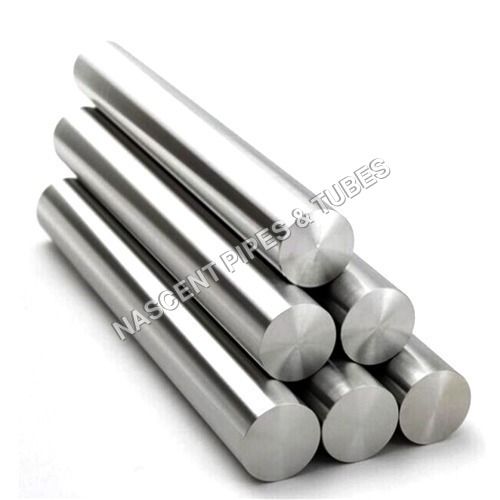

 Send Inquiry



 Send Inquiry


 Send Inquiry
 Send SMS
